
(2018-2024)
Photobook in Progress-
Zoon Culture
Simon Harvey
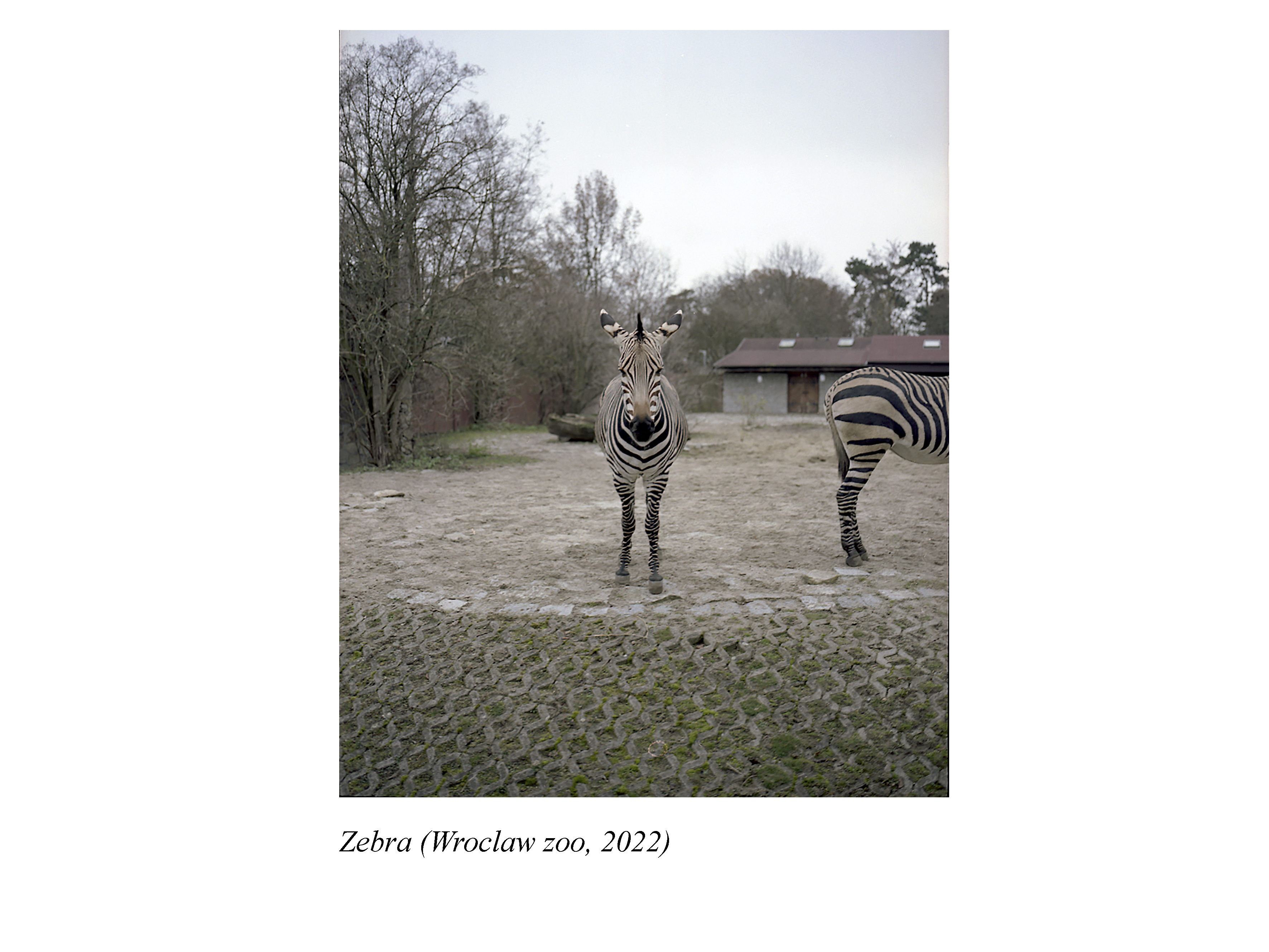
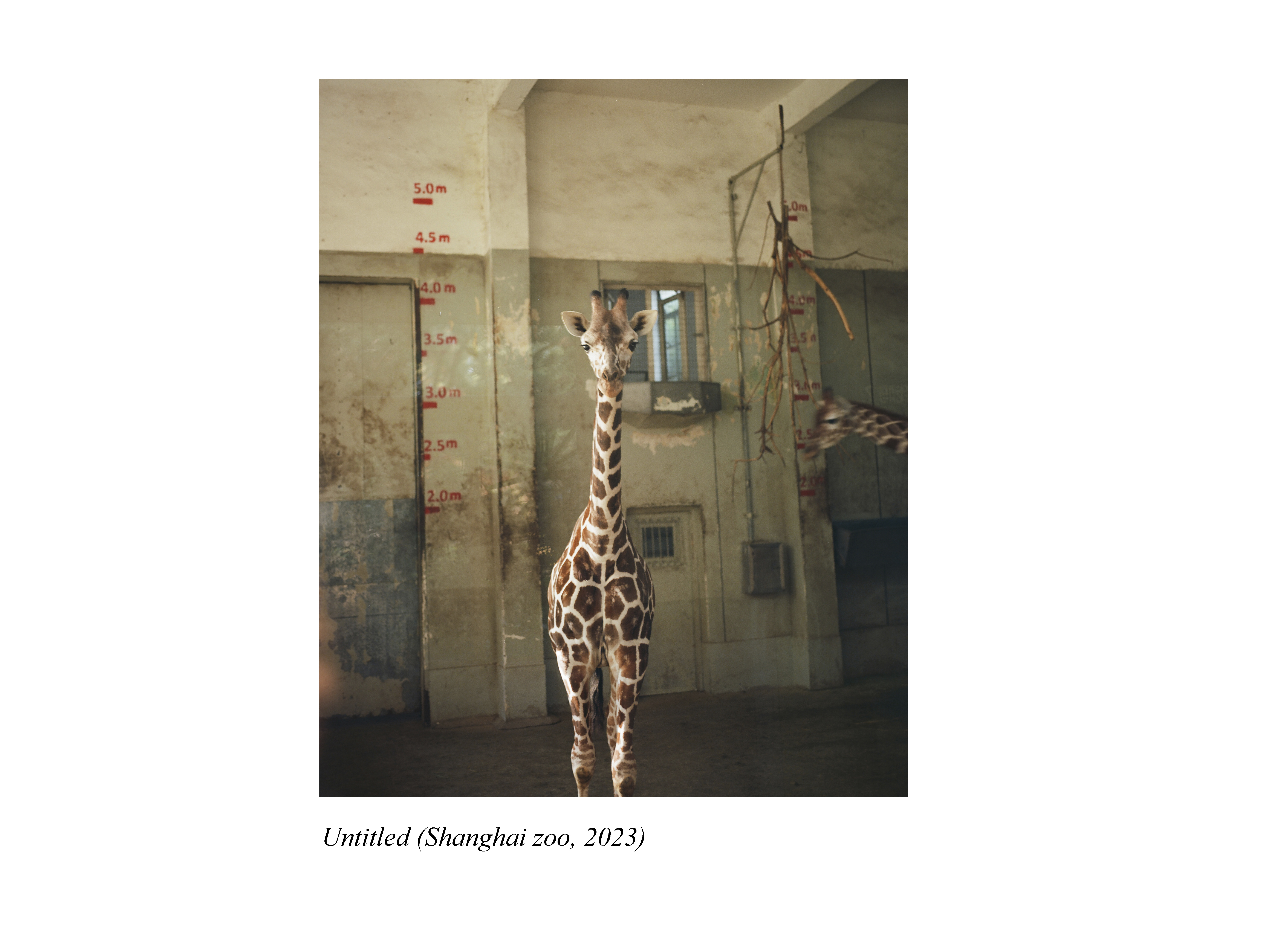
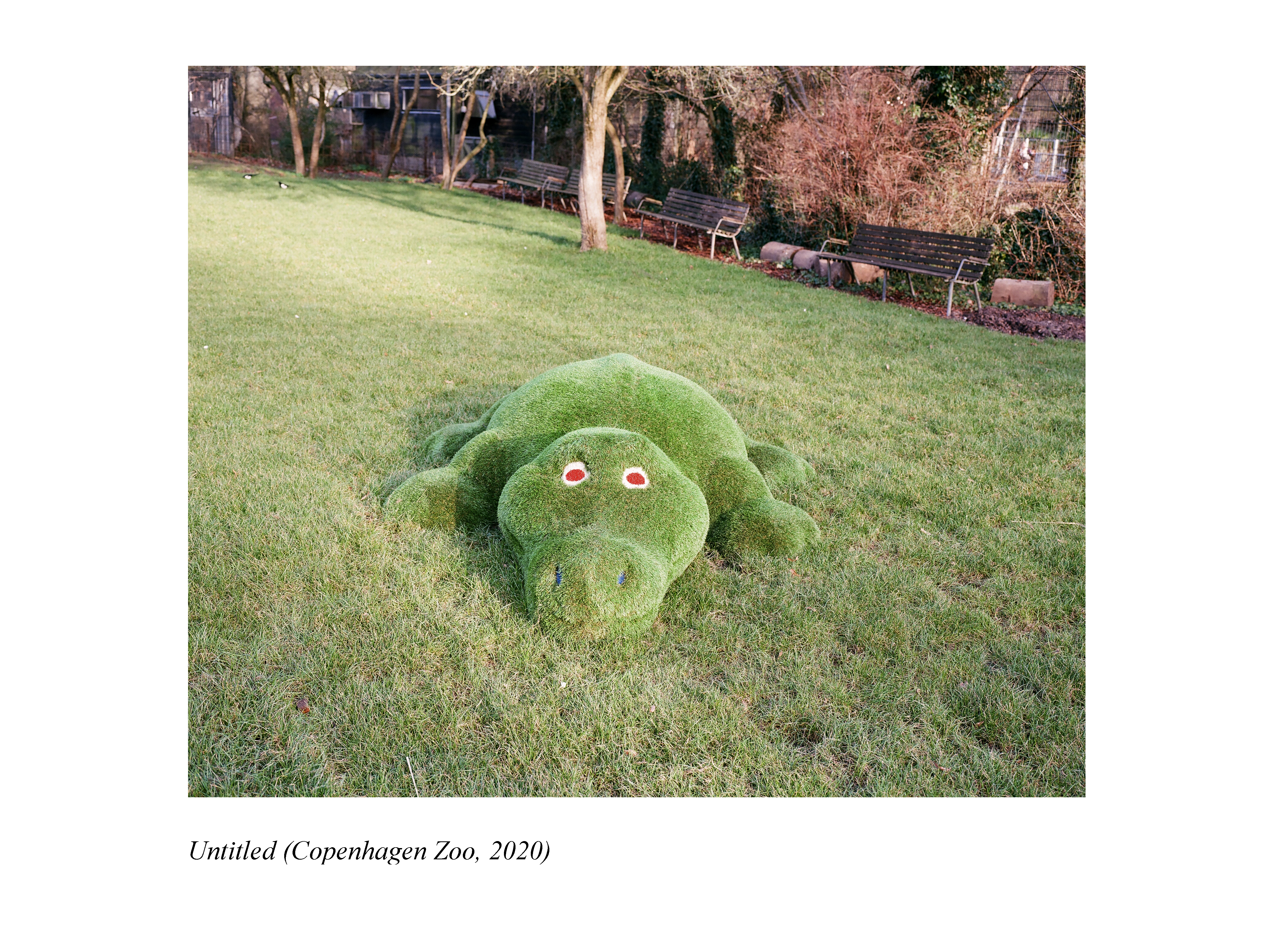
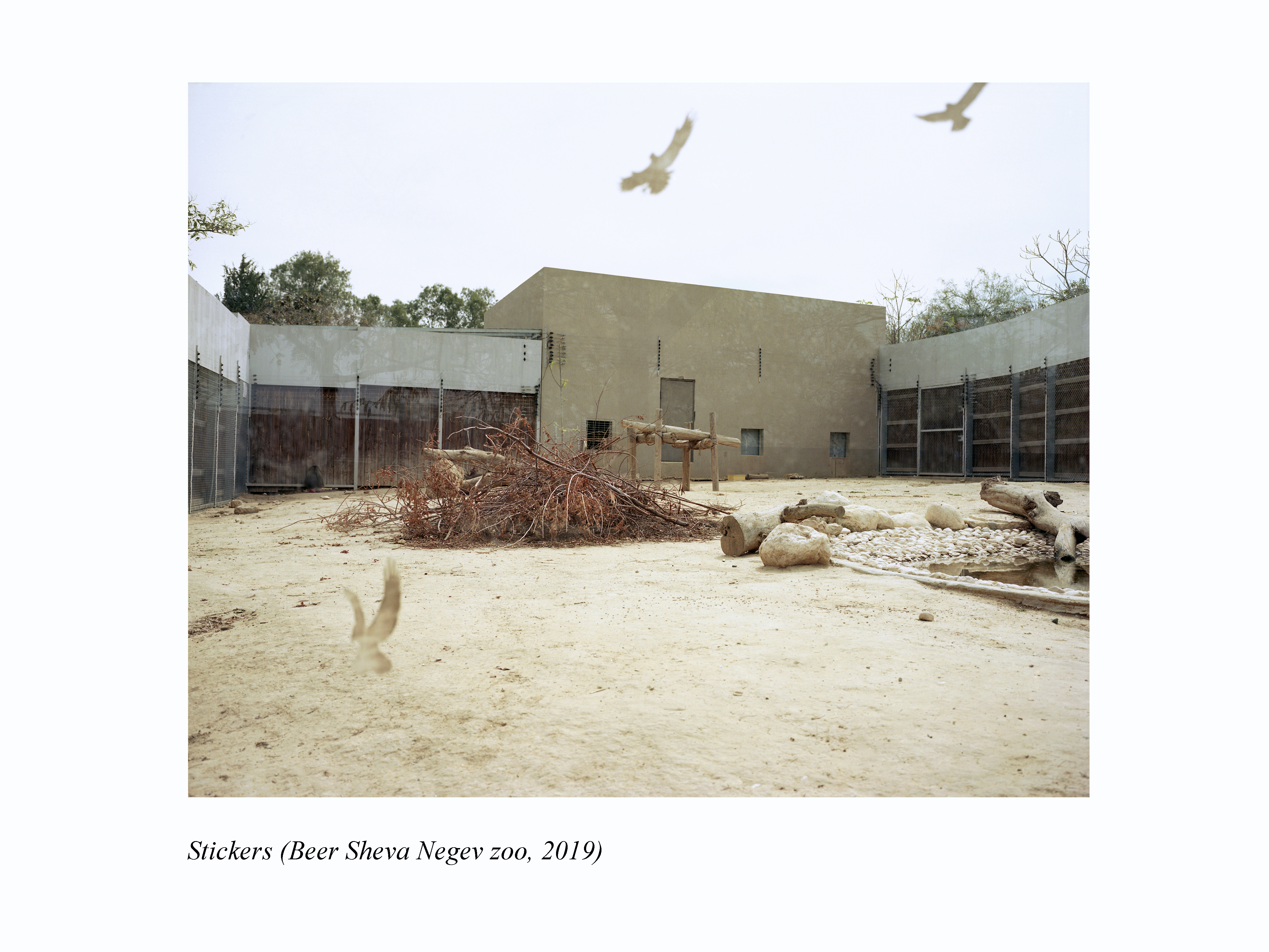
It’s all happening at the zoo, as S and G told us. Is it really though? The animals don’t seem to be moving very much? Where are they? They’re right behind us of course.
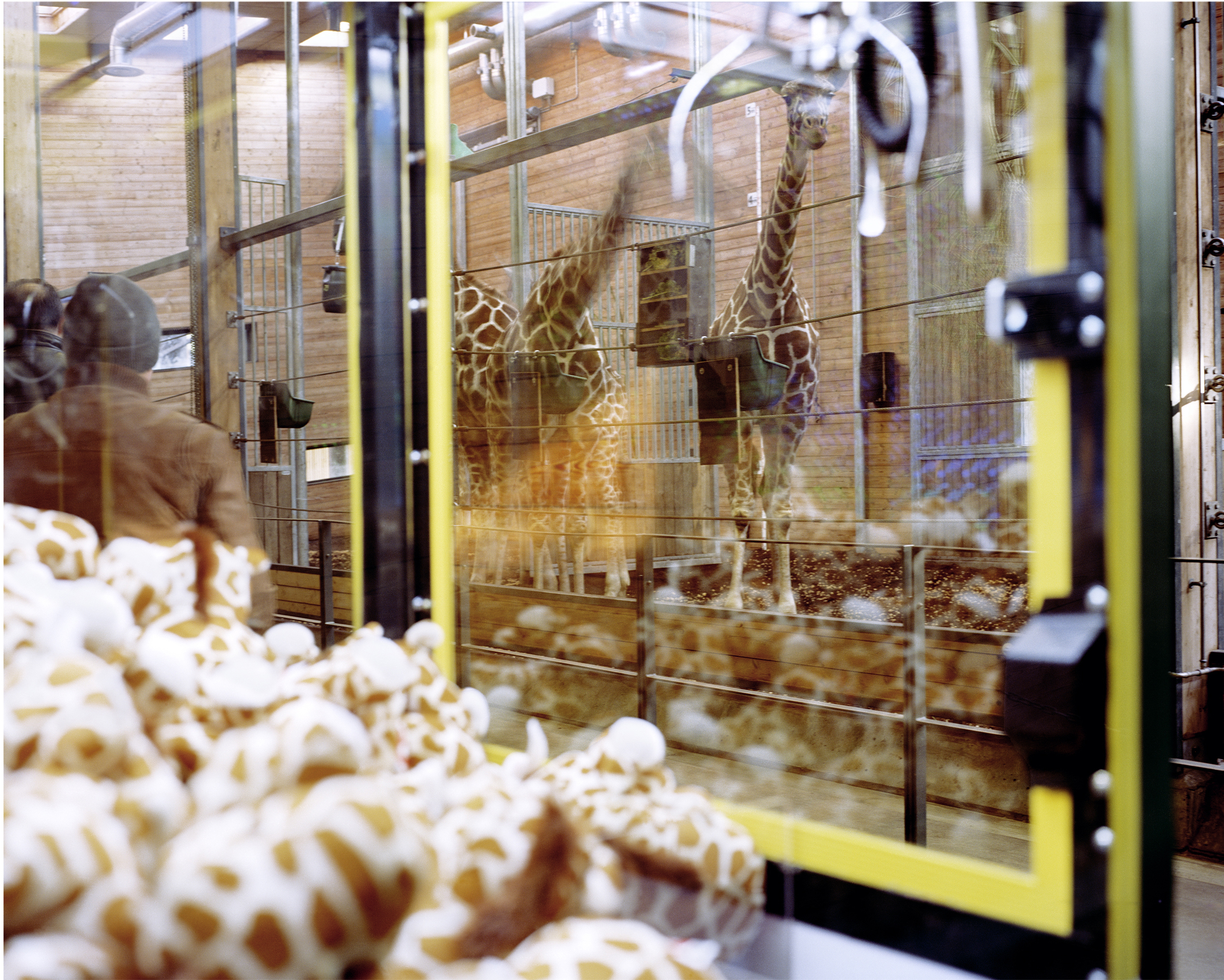
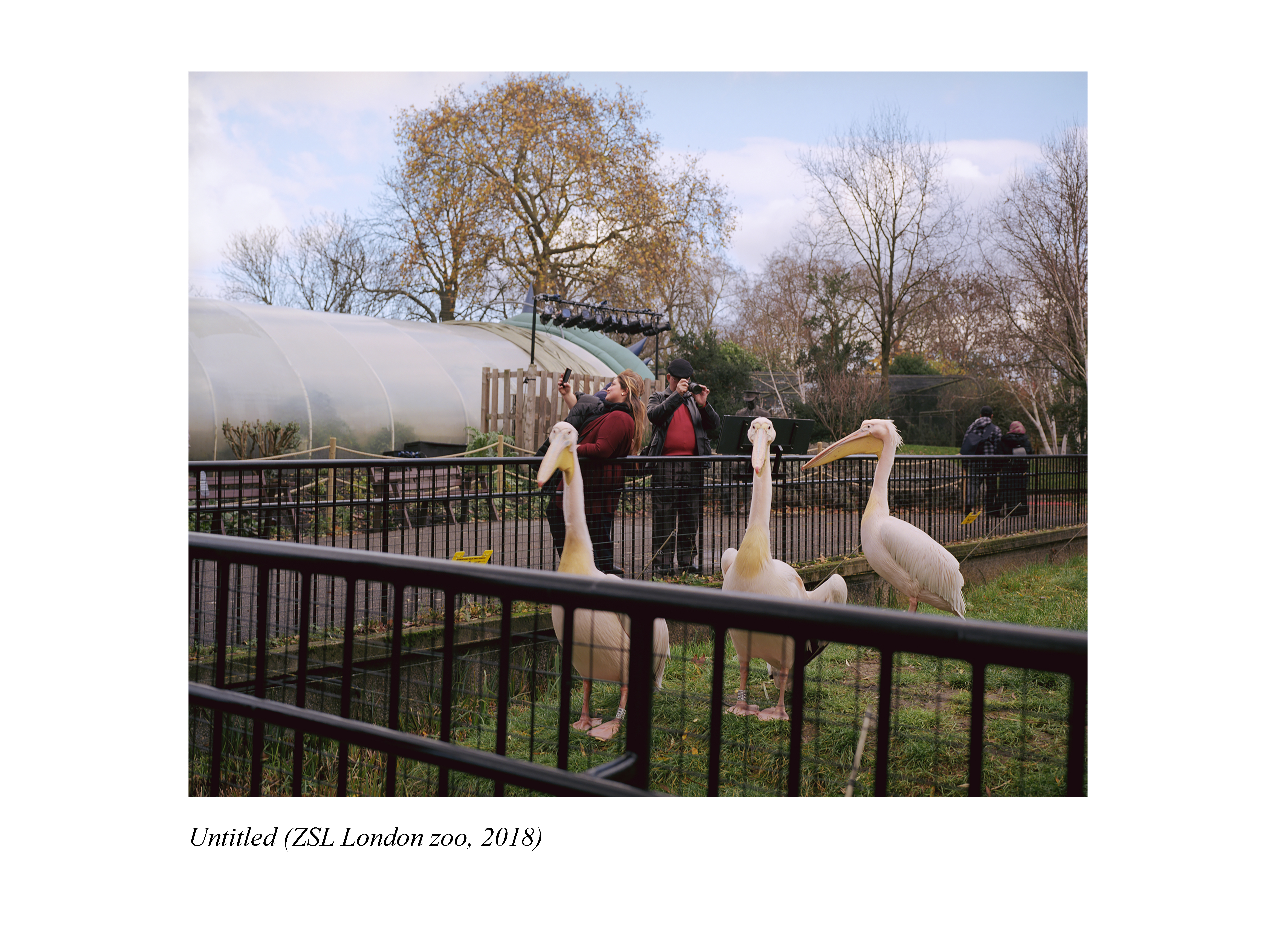
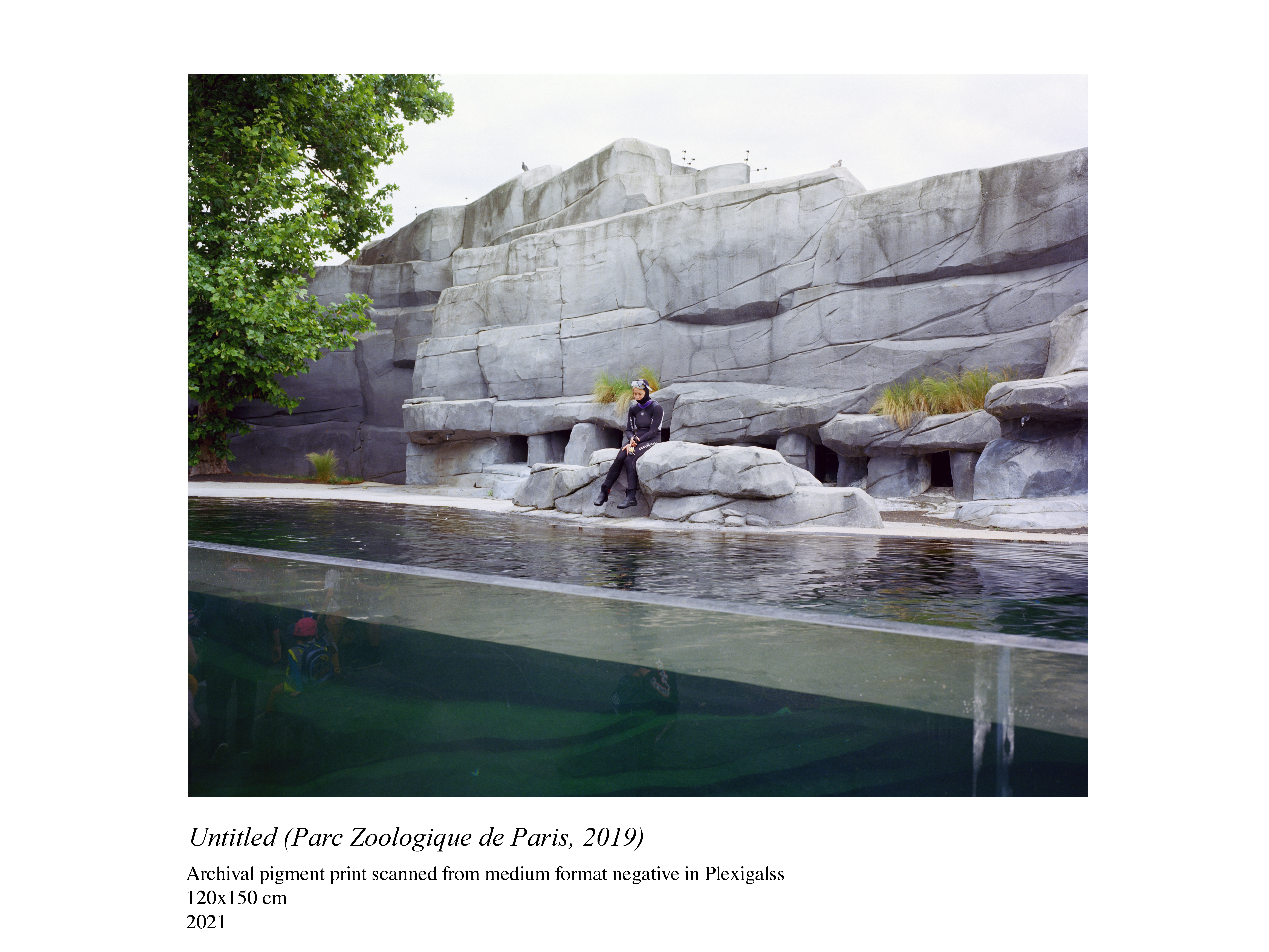
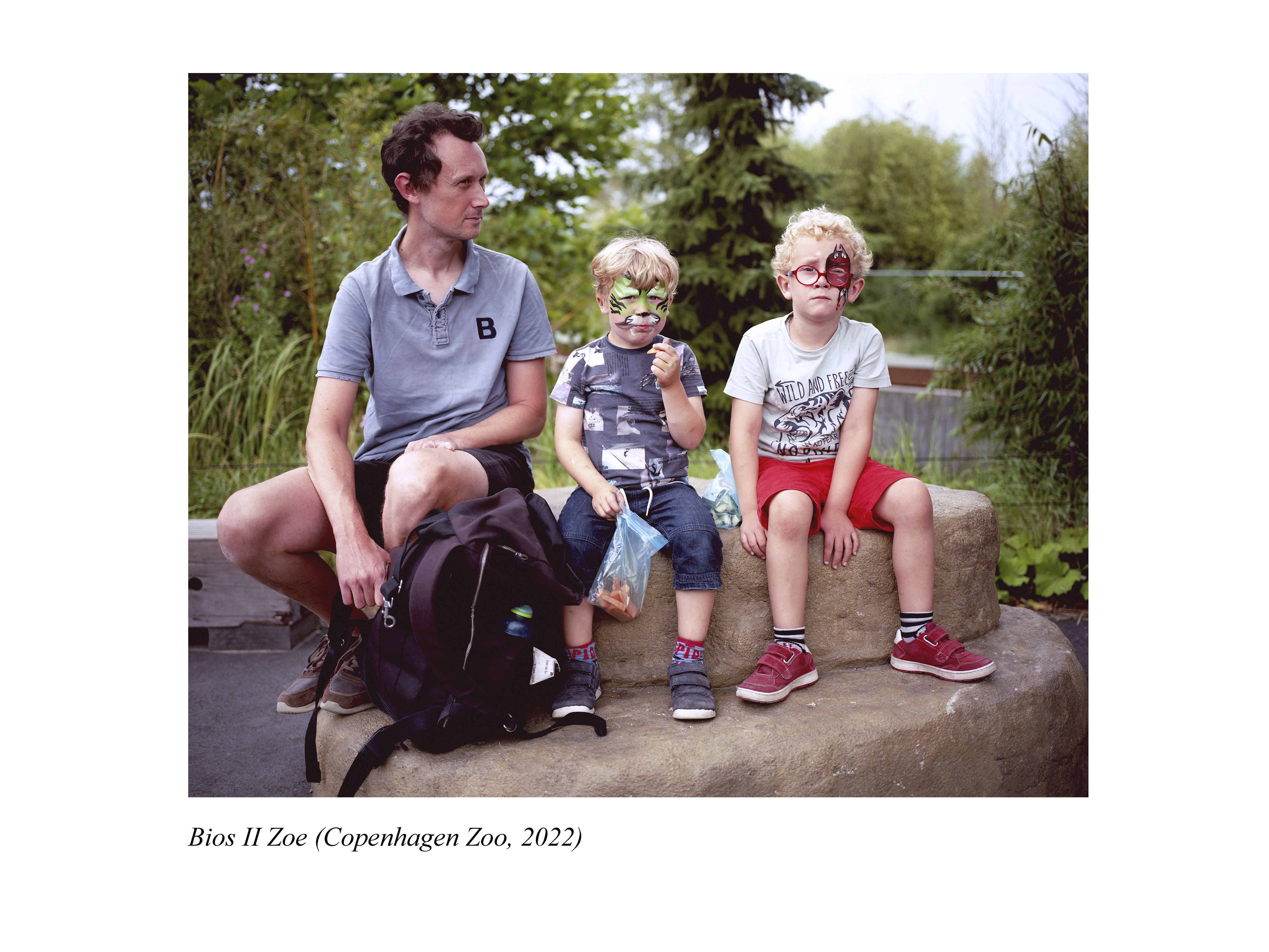
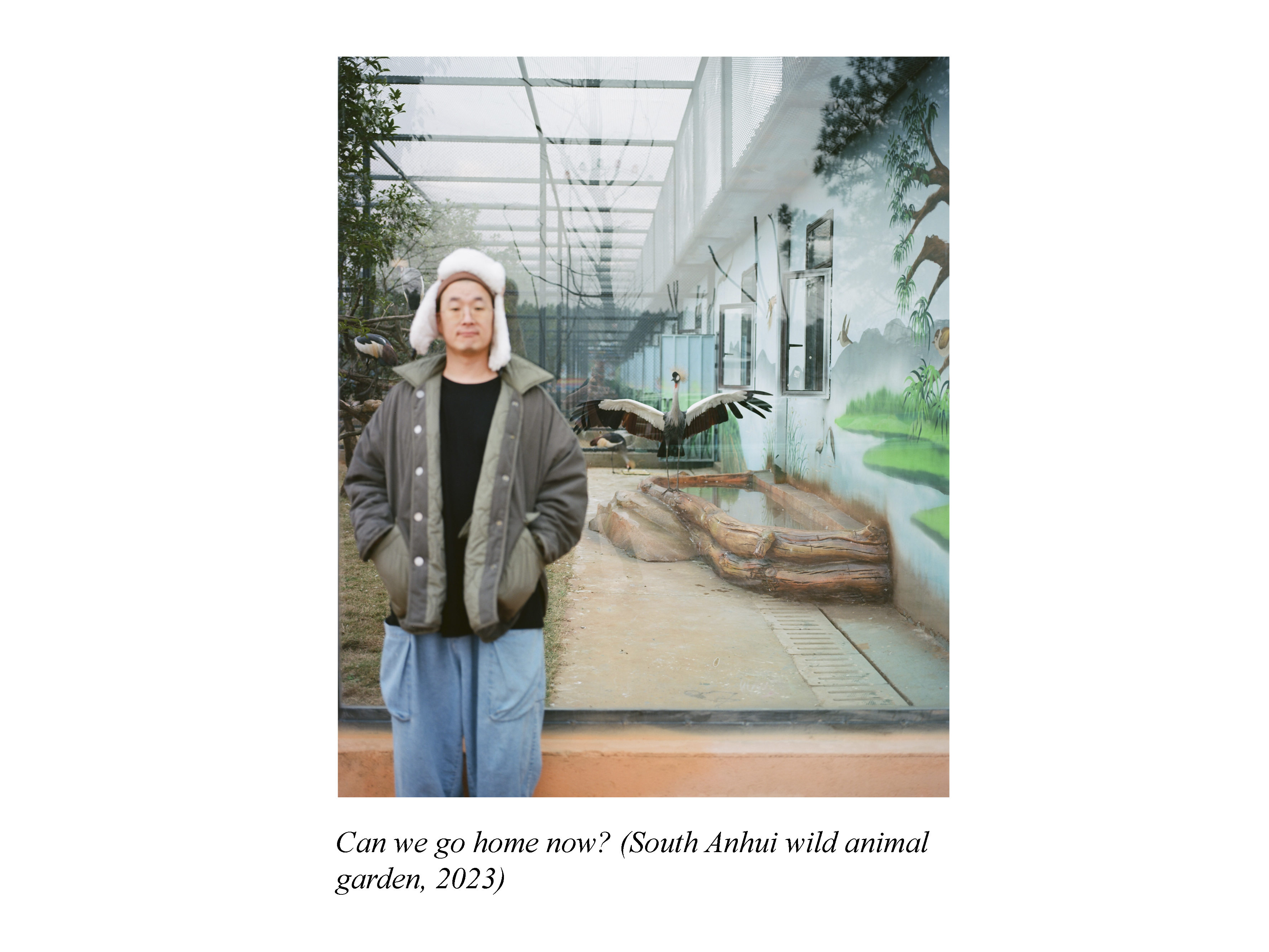
We seem, in some ways, to go to the zoo to look at ourselves and others of our stripe. This shouldn’t come as a surprise: the zoo has always been as much human as animal spectacle, it is largely about us and we are at the centre of its fantastical world. So long as the bars don’t break and the beasts don’t jump over the moat, we can do a lot at the zoo, to the animals and, it seems, to ourselves. Look, we can even shoot ourselves. We are in control.
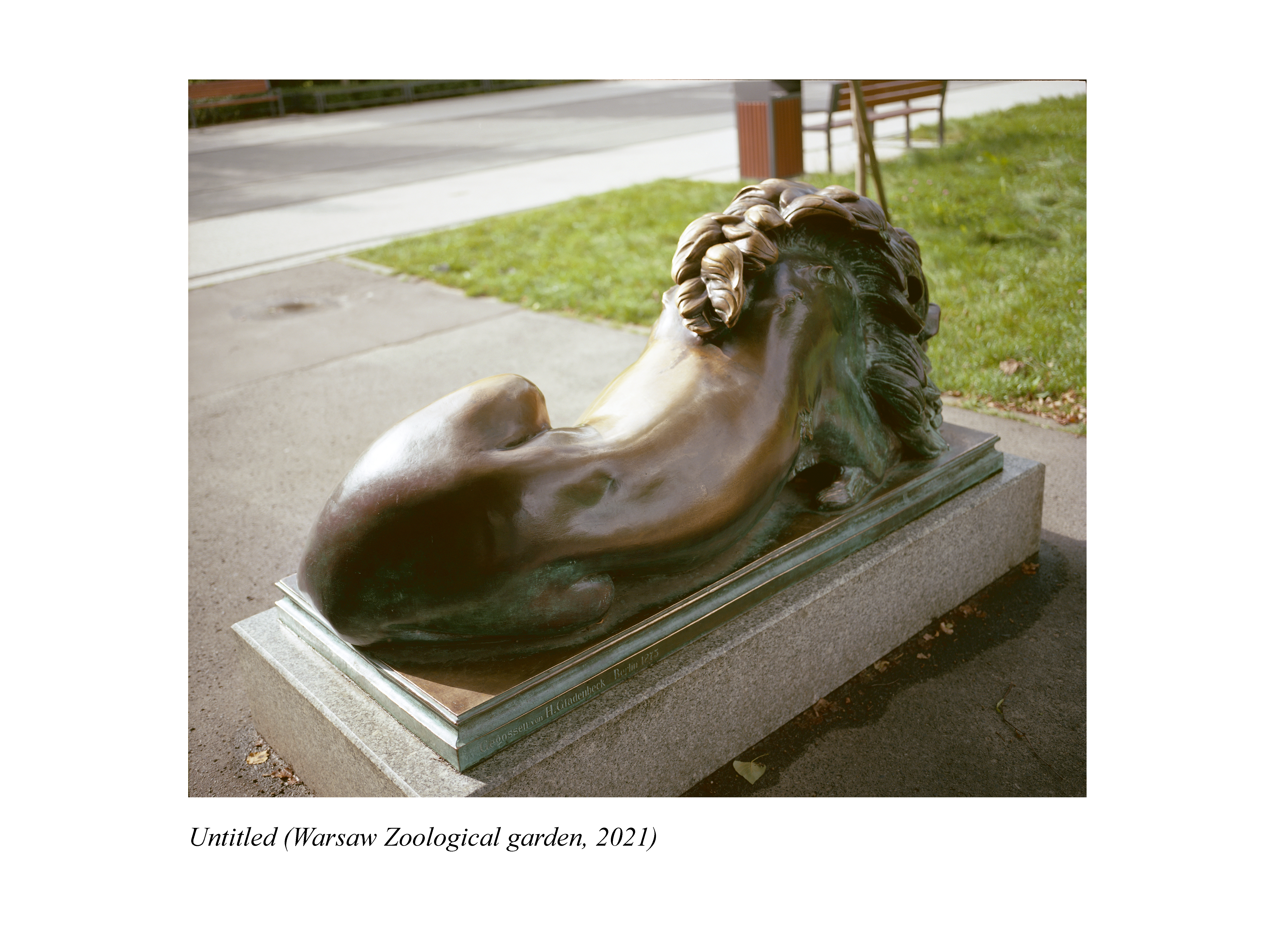
Yanir Shani’s photographs document this harmless narcissism, but this art project raises more serious questions about life, bios or zoe,1 you choose, at the zoo. Zoos, like museums and galleries, like prisons and mental asylums, as Michel Foucault tells us,2 are all about control. Even before the era of modern history, animals were kept, valued, but dominated, by Egyptians, Chinese, Romans, Aztecs and others. The menagerie at Versailles, often considered to be the first zoo, was a proto-panopticon, long before Jeremy Bentham.3 Louis XIV, that strutting peacock, would take his guests into an octagonal courtyard, on seven sides of which were cages. One could see all the animals from this central position, or look down on them from a gallery. In brutal terms, it was a mechanism of power. Linnaeus, organizer of how we think about plants and animals, also had a menagerie.
We don’t always turn our backs on animals at the zoo. There has to be some connection, although we are not easily engaged, often requiring to be entertained.
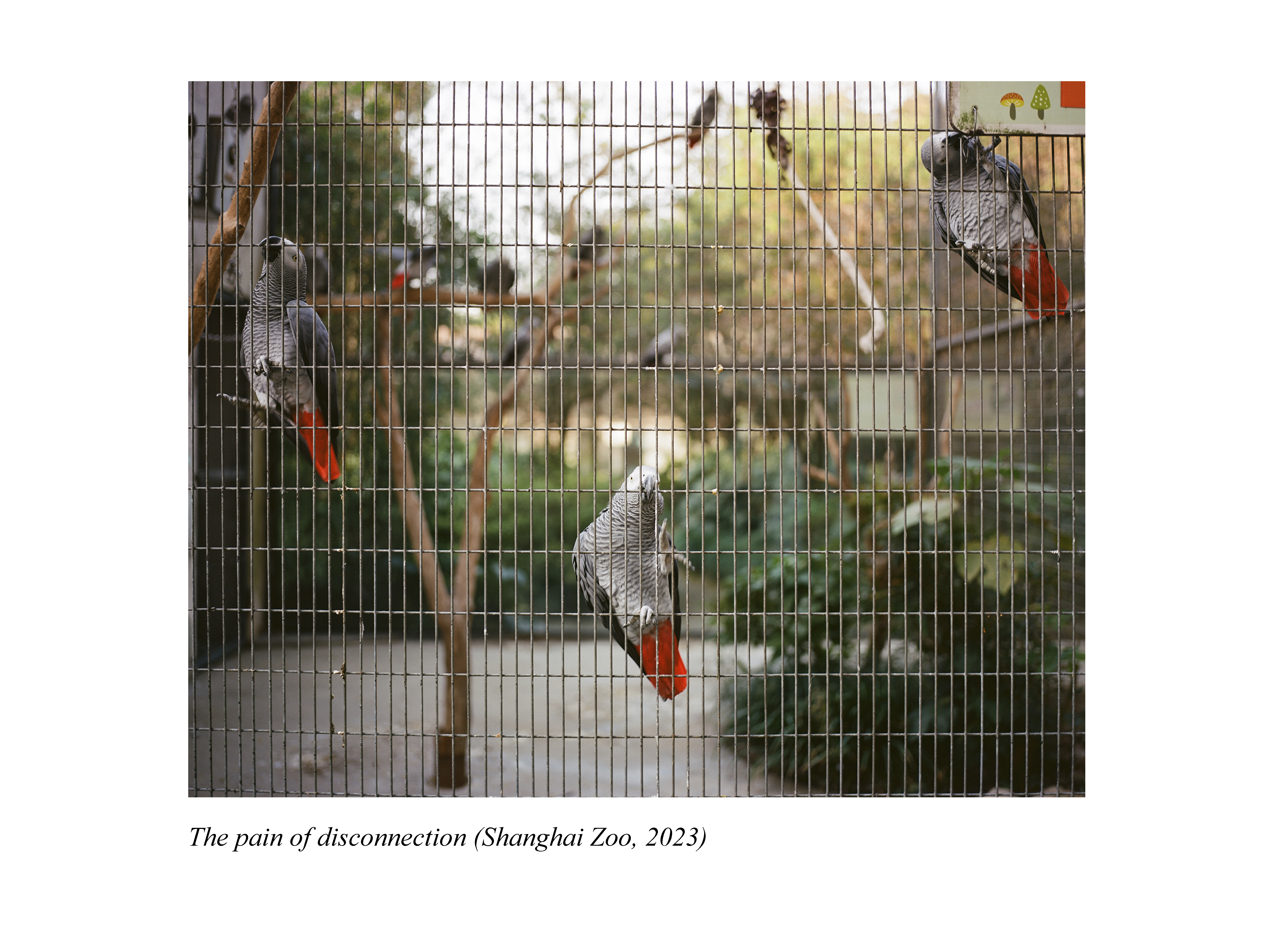
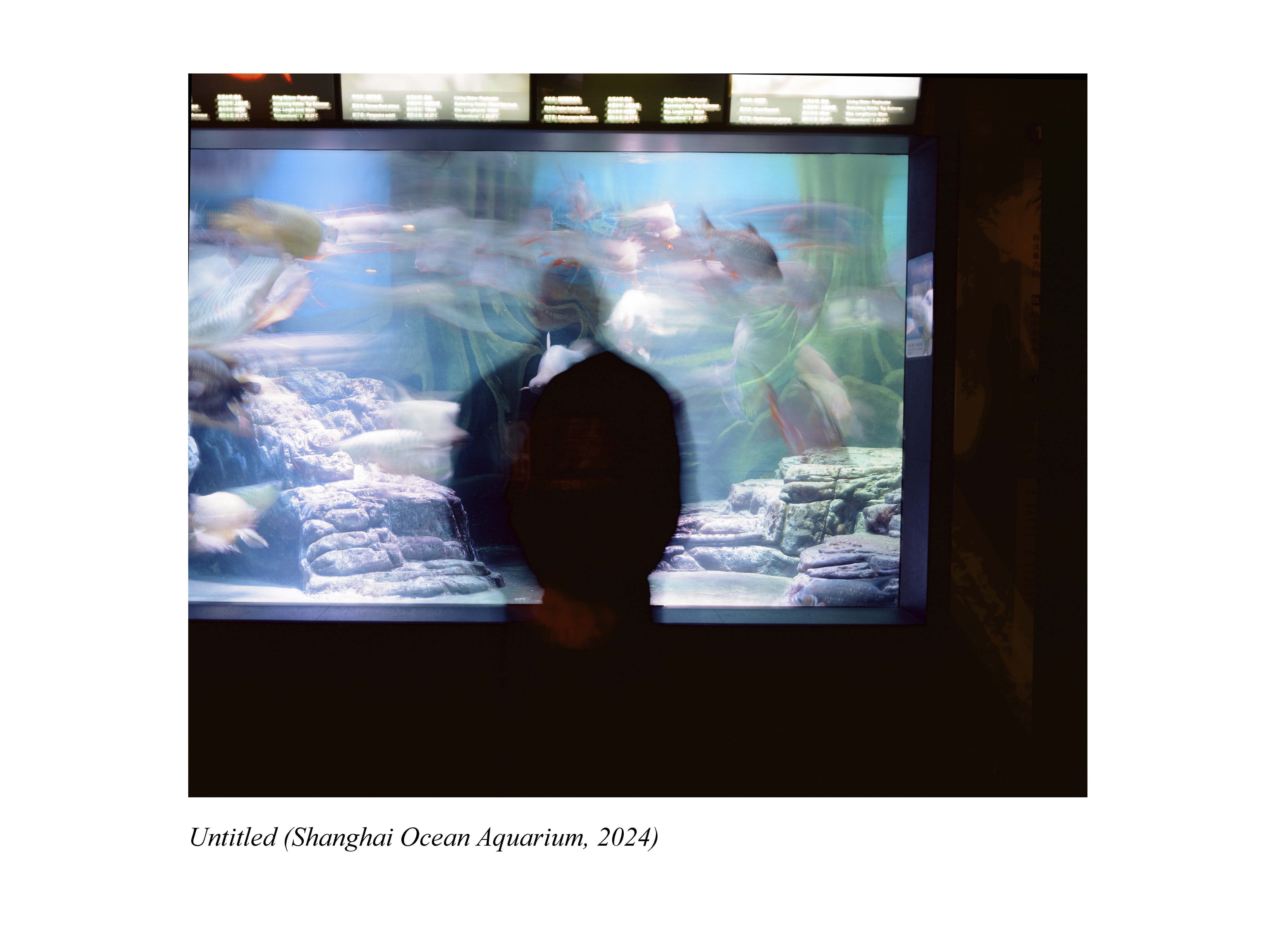
`… the animal looks at us and we are naked before it.’ (Jacques Derrida, The Animal that Therefore I Am).4 A relationship built on unknowability, room here only for a dispersed indeterminate self, a relationship of `shared vulnerability`, `non-power at the heart of power`. This is a blind-spot at the heart of the zoo, a truly immersive experience.
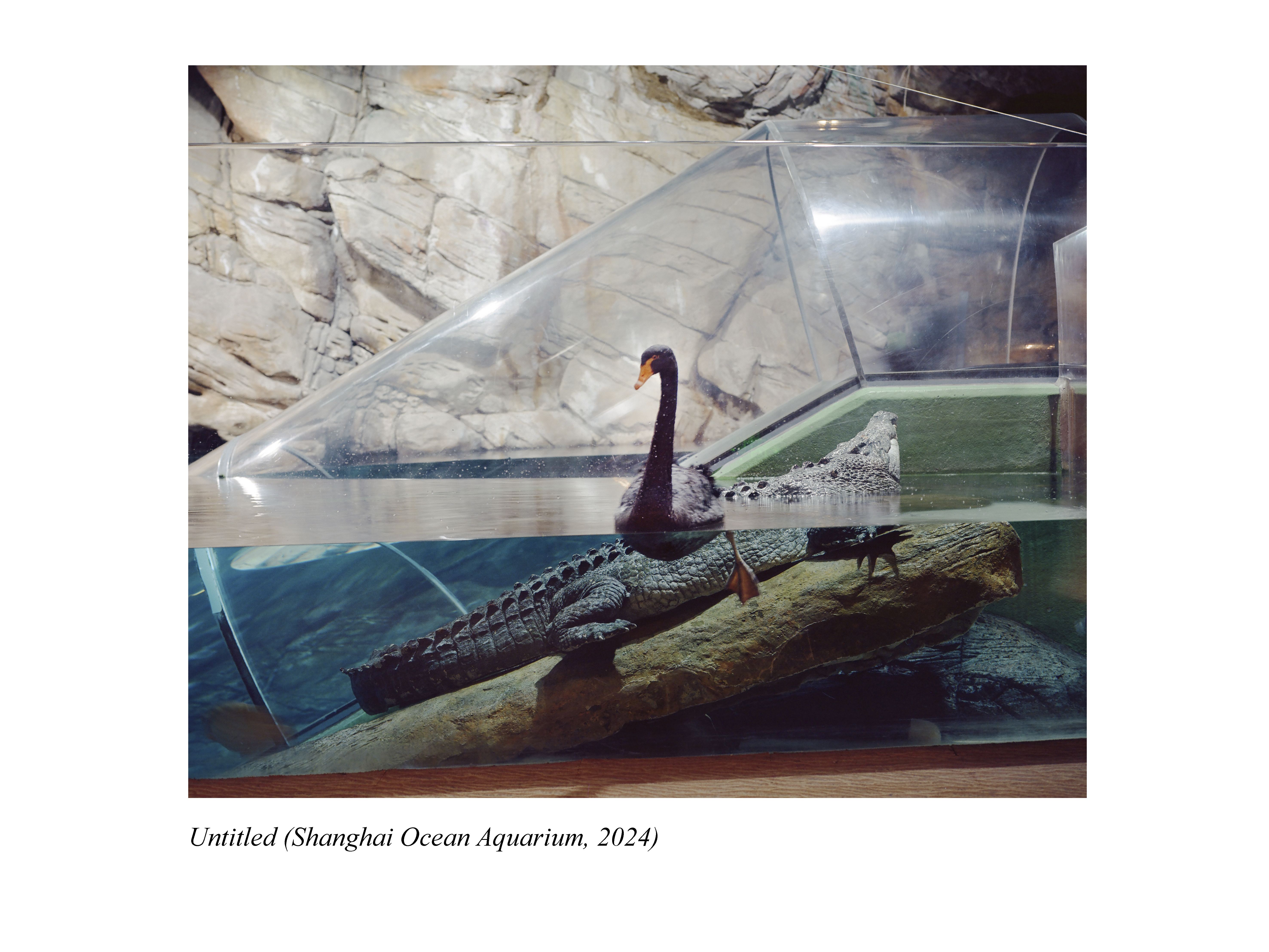
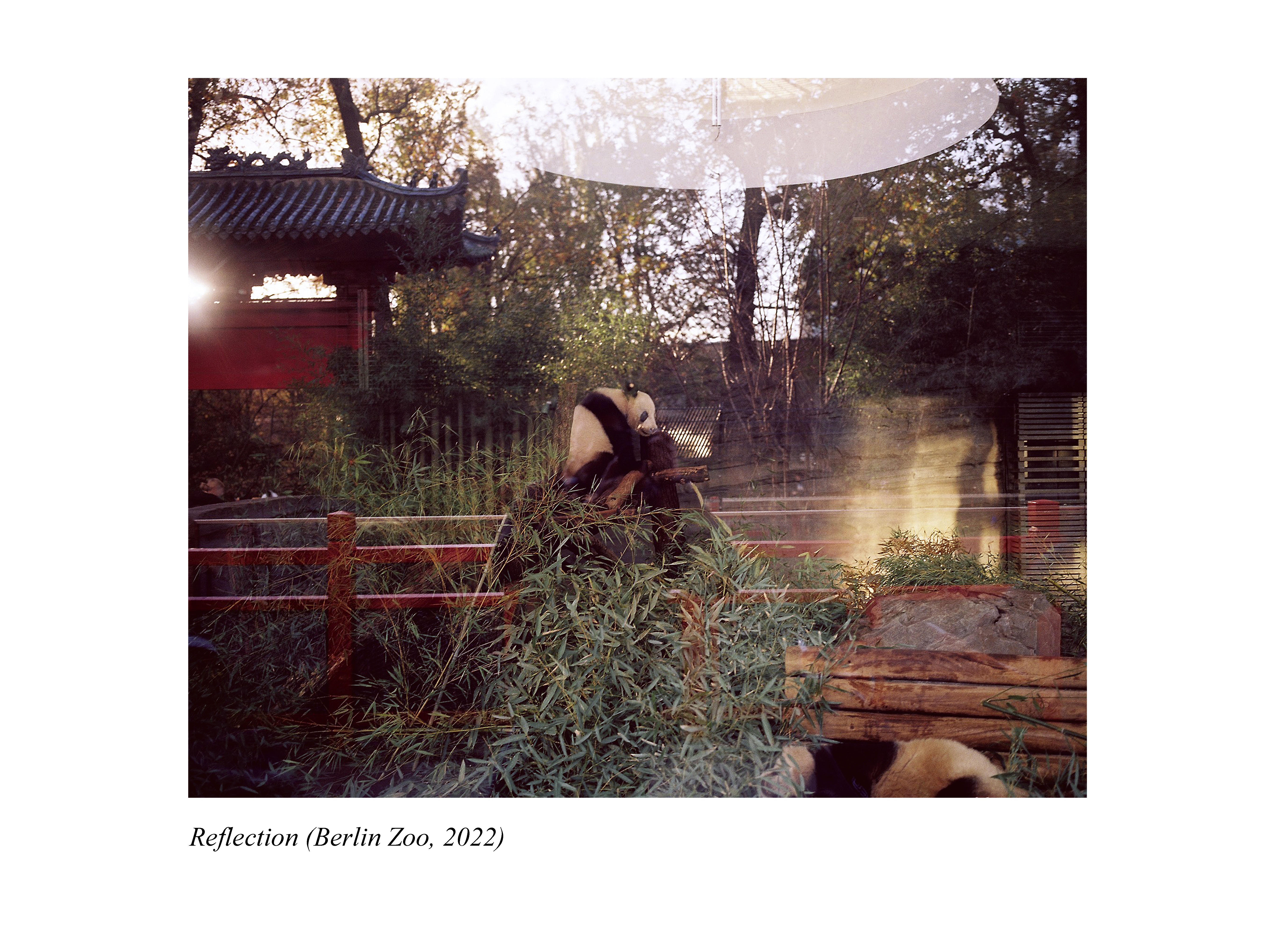
The architecture of zoological gardens softened in the nineteenth century. Panoptics gave way to panoramas, giving us the illusion that we were on the edge of, almost immersed in, African plains or other, expansive wilderness. (It looked like the animals were together but, really, they were separated by hidden moats). There was a lot else going on at the zoo. The great showman and entrepreneur of zoos, Carl Hagenbeck, brought in Sami, Samoans, Patagonians and Nubians, among others, to provide ‘context’ and animate the animals in front of mock temples, castles, mosques and pagodas. Walter Benjamin comments on just such a lively, pre-modern postmodernism, comparing zoos to wax museums: `The similarity of this architecture [`wax museum <Panoptikum>`] to that in zoological gardens is worth noting`.5 All seeing for us, but not for the animals. While claiming to be places of `rational entertainment`, educational (and today they usually are), zoos traded in the inauthentic. Even today, zoo maps look like children’s drawings, guiding us around a domesticated Narnia.
Still the animals don’t move much. But we do: we crane our necks in front of cranes then upload the selfies. Meanwhile the animals, not knowing they are `species at risk`, yearn, perhaps, to disappear. We, on the other hand, strive for visibility, to have our chosen images circulating freely. But aren’t we also just checking into the network, self-disciplining, limiting our freedom? We are hardly zoon politikon, Aristotle’s political animal, when we are cavorting at the zoo.
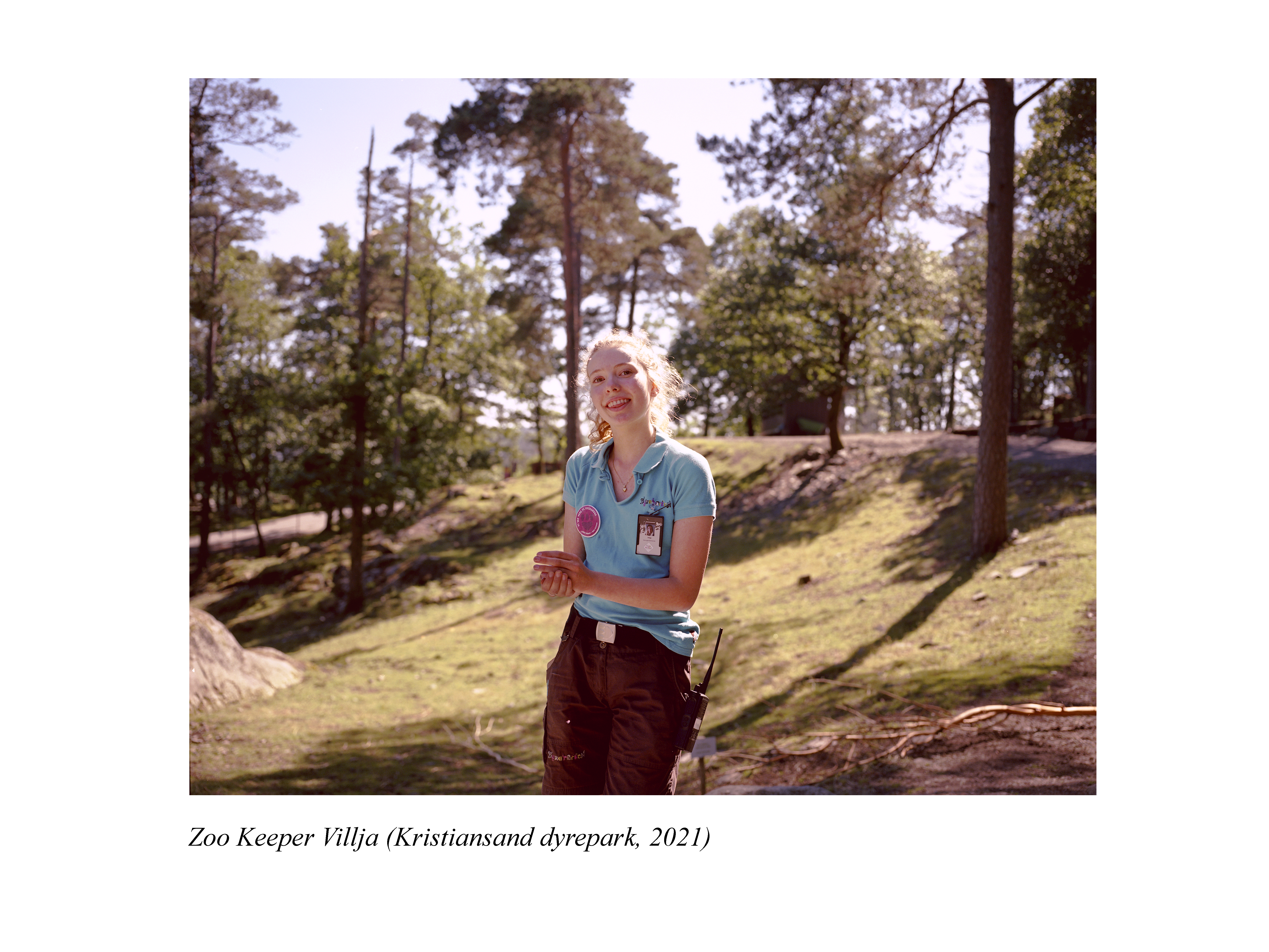
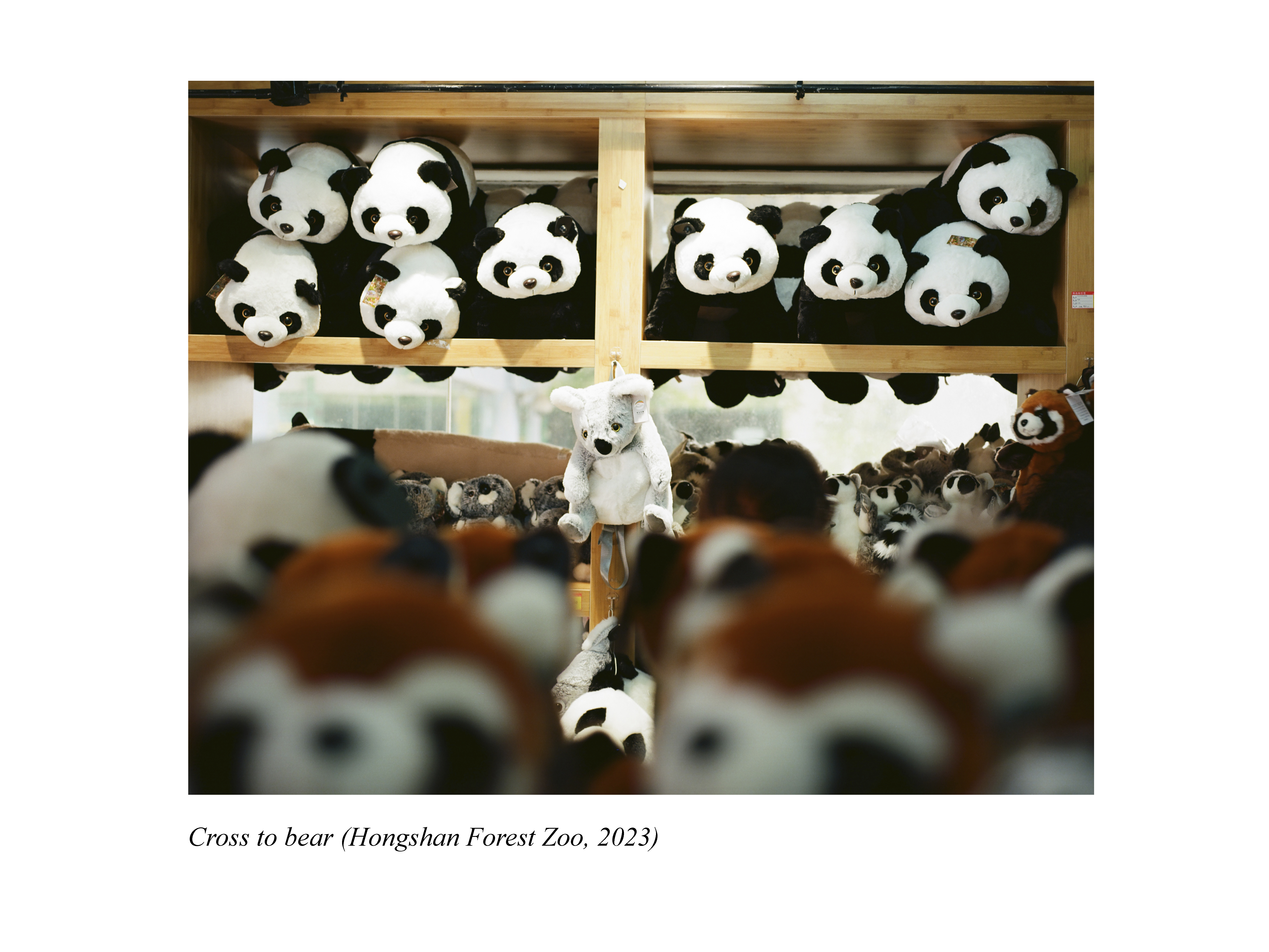
Zoos today, in their design and layout, rarely give us a central viewpoint. We journey around them, on safari (Swahili: journey, tour), with more or less free-will, albeit that we are still directed, curated,6 following a line spun to us by the culture industry. Shani’s project critiques this culture, but also asks the question, through the imaginary of the zoo, wouldn’t it be better to be lost, for once not at the centre of things?
Oh for a cigarette, we imagine the chimpanzee saying – it behaves so like us, it must be a little like us – but, unlike us, it can’t step out for a fag.
___
1 Aristotle made a distinction between bios (a refined political life, properly lived, that could have a biography) and zoe (animal life, bare life for Giorgio Agamben – see Means Without End: Notes on Politics [2000]).
2 Michel Foucault, Discipline and Punish (1975).
3 Jeremy Bentham (1748-1832), English social reformer. A panopticon is a design for a prison in which a single guard, at the centre, can see each isolated prison cell, in which each solitary prisoner, assuming themselves always watched, self-disciplines.
4 Jacques Derrida, The Animal That Therefore I Am (2008, based on a talk on the subject of `the autobiographical animal`, 1997, at Cerisy). He suggests that we take the power out of this human-animal relation which is based on visual recognition and pity (my word), not compassion. We should also take the self out of animal rights politics. He goes on to say, in the next sentence: ‘Thinking perhaps begins here’.
5 Walter Benjamin, The Arcades Project (English edition 1999), Q3.4, p.531.
6 Zoos have curators, and they are called curators.

